
Autumn Season and Its Subtypes
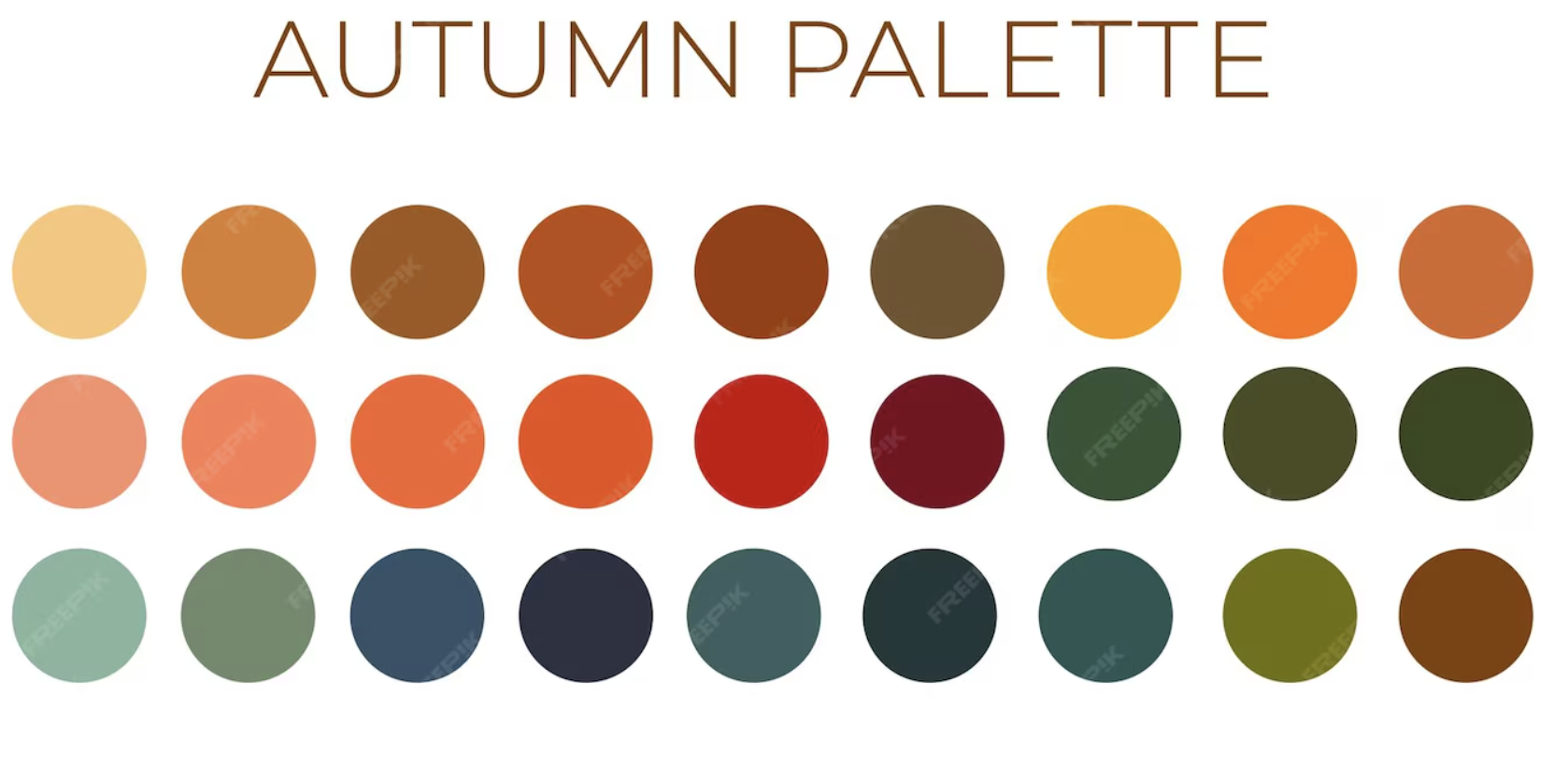
There’s something about Autumn that just feels grounding.
Warm tones. Soft depth. Colors that don’t shout, but still feel rich and alive.
If you’ve ever noticed that earthy shades make you look more put together, while icy or super bright colors feel harsh, there’s a good chance you fall somewhere within the Autumn season.
This is the palette of golden hour, worn leather, and leaves just before they fall.
What defines the Autumn season?
Autumn is a warm season, meaning everything in your palette carries a golden or earthy undertone rather than a pink or blue one.
But warmth isn’t the only thing.
Autumn is also defined by:
depth (colors aren’t super light or pastel)
softness (nothing is overly bright or neon)
The overall effect is rich, blended, and natural.
Instead of contrast, Autumn thrives on harmony.
The core Autumn palette
If you imagine a forest in late October, you already understand Autumn.
Key colors include:
rust and terracotta
olive and moss green
warm browns and chocolate
mustard and golden yellow
deep teal
These shades reflect onto the skin in a way that feels warming and cohesive, rather than stark or overpowering.
The three Autumn subtypes
Not every Autumn looks the same.
That’s where subtypes come in; they refine your palette based on softness, depth, and how strong your coloring is.
Soft Autumn
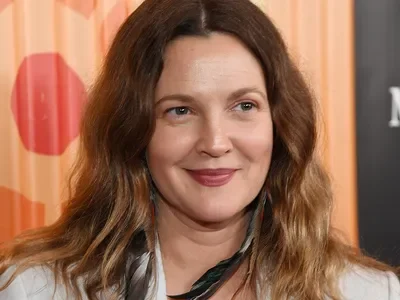
Soft Autumn sits between Summer and Autumn, which means it carries a slight cool softness, even though it’s still warm overall.
This subtype is defined by:
muted, dusty tones
low contrast between features
a very blended, natural look
Best colors:
sage green
dusty peach
warm beige
soft brown
These colors don’t compete, they melt into your features in the prettiest way.
If bright colors overwhelm you, and you feel best in soft neutrals, this might be you.
Warm (True) Autumn
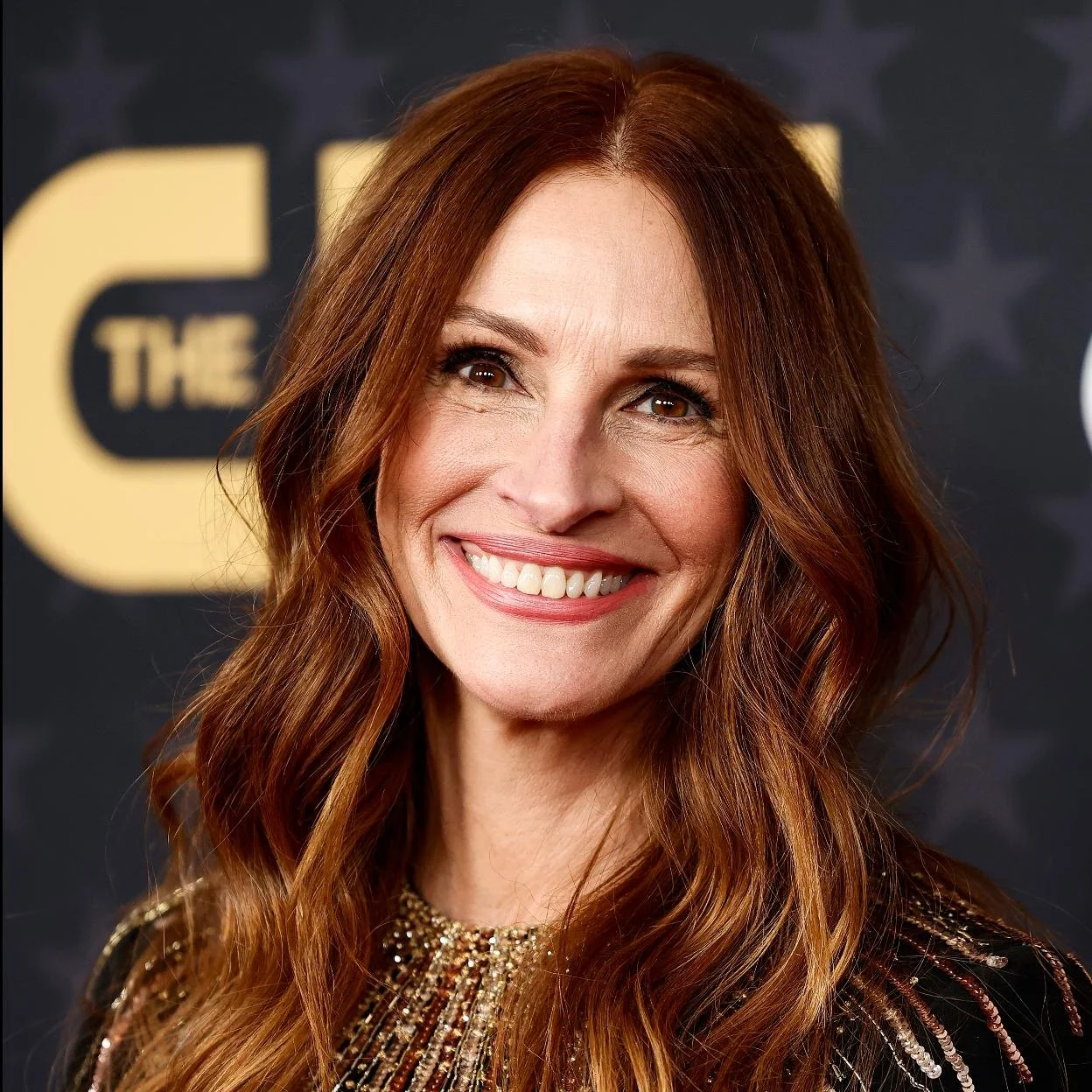
Warm Autumn is the truest expression of the season.
Everything here is fully warm, with no cool influence.
This subtype is defined by:
strong golden undertones
medium depth
rich, clearly warm colors
Best colors:
mustard
rust
olive green
warm coral
If you glow in golden jewelry and look off in anything icy or cool-toned, you’re likely here.
This is the palette that feels the most “autumn” in the traditional sense.
Deep Autumn
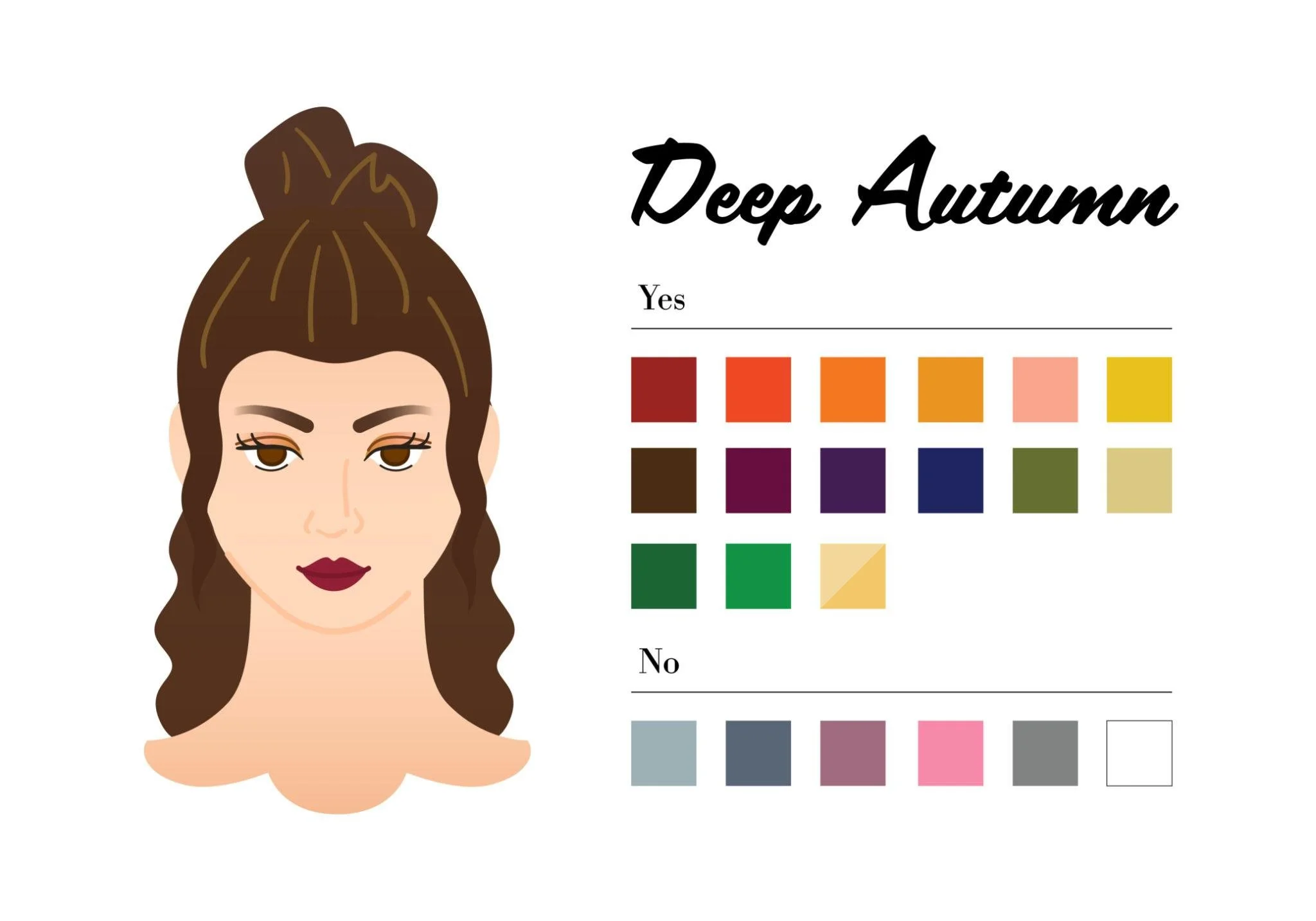
Deep Autumn sits between Autumn and Winter, bringing in more depth and intensity.
This subtype is defined by:
darker features (hair, eyes, or overall contrast)
richer, more dramatic tones
a slightly higher contrast than other Autumns
Best colors:
deep brown
forest green
burgundy
dark teal
These shades add depth without becoming too cool or harsh.
If lighter Autumn colors feel too soft on you, and you need something deeper to balance your features, this might be your subtype.
The biggest mistake Autumns make
Wearing colors that are too cool or too bright.
Cool tones (like icy pinks or silvery grays) can drain warmth from your face.
Super bright colors can overpower your natural softness.
Autumn doesn’t need intensity to stand out.
It works best when everything feels rich, warm, and slightly muted.
How to tell if you’re an Autumn
Start simple:
Do you look better in gold than silver?
Do earthy tones make your skin look clearer?
Do black and white feel too harsh on you?
If yes, you’re likely somewhere in the Autumn family.
From there, you can start narrowing down your subtype based on whether you lean more soft, warm, or deep.
Final thoughts
Autumn isn’t about bold contrast or bright color.
It’s about depth. Warmth. Ease.
It’s the kind of beauty that doesn’t try too hard,
but always feels intentional.
Like golden light at the end of the day.
If you want help figuring out whether you’re a Soft, Warm, or Deep Autumn, I offer personalized color analysis through Studio Anna Lucia ♡
